
Camden Walks
Where Camden Comes Together
Camden is Best Understood on Foot
Camden is not one story. It is a sequence of moments shaped by time, nature, architecture, memory, and local life. Each walk begins with a different entry point: the buildings that give Camden its form, the eras that shaped the town, the landscape that keeps it grounded, and the streets that bring those stories together.
Choose a doorway below to begin, then follow the page into Camden’s architecture, historical eras, natural ecology, and guided walking experience.
Explore Camden Walks
Eras of Camden
Colonial beginnings, Revolutionary War stories, winter colony life, aviation, industry, and modern change.
Explore Eras →Architecture
Adamesque brickwork, Gothic Revival churches, Queen Anne details, Robert Mills influence, and Camden’s living streetscape.
Explore Architecture →Ecology
Longleaf pine, magnolia, dogwood, live oak, cypress, Wateree River memory, and the plants that frame the town.
Explore Ecology →Walking Tours
Story-led walks through Camden’s streets, architecture, churches, homes, natural details, and layered local history.
Plan a Walk →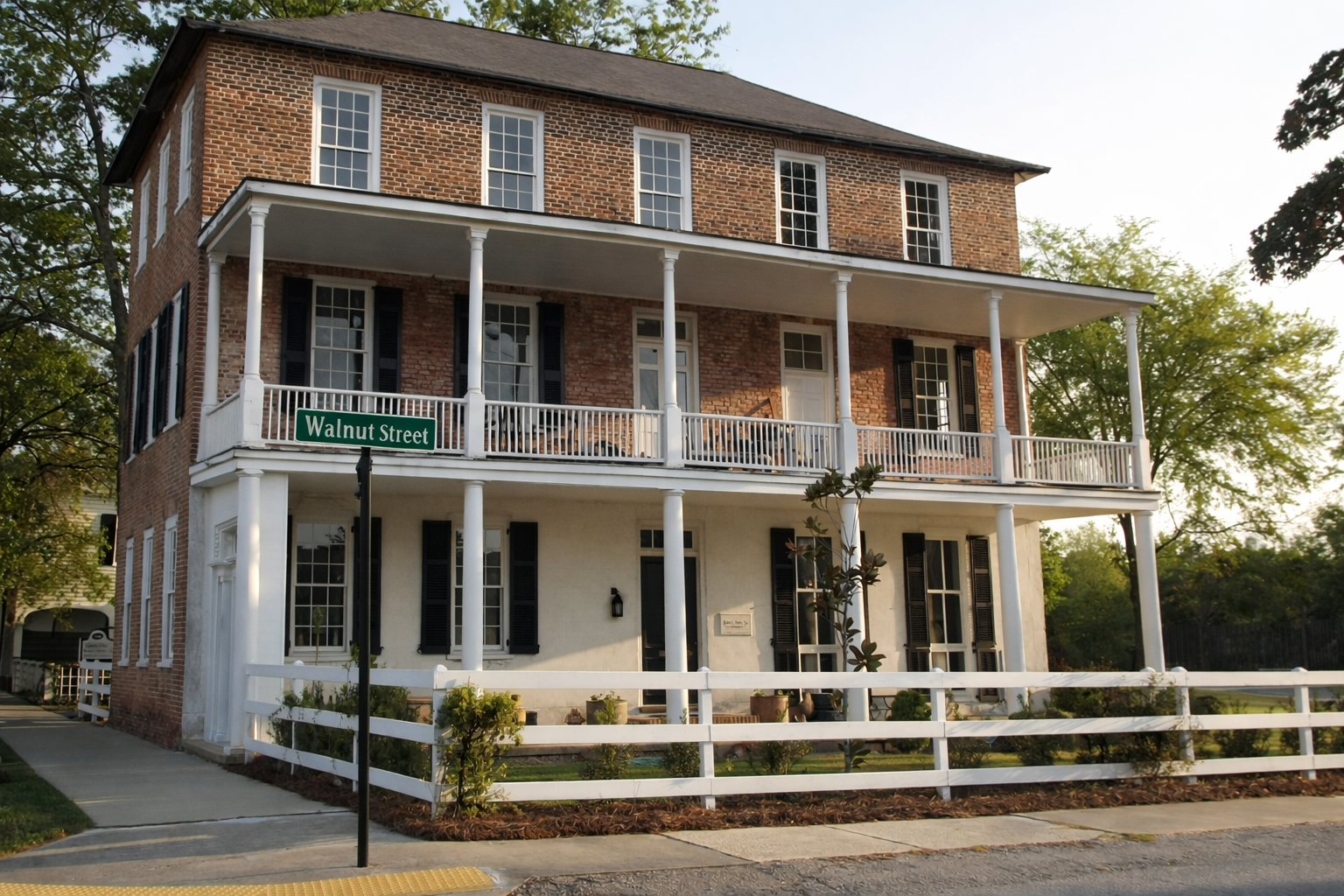
Still Building History
Camden’s streets tell stories in brick, stucco, timber, arches, columns, and old shade trees. From the stately symmetry of Federal homes to the playful turrets of Queen Anne architecture, each building reflects a chapter of the town’s past.
On Camden Walks, visitors encounter distinctive architectural styles, layered eras, native plants, church steeples, old hotels, river memory, and the everyday streets that make Camden feel like a living museum you can photograph, question, and explore.
Camden Architecture
Camden’s built environment reveals the town’s age, ambition, adaptation, and memory. These cards offer a visual guide to architectural forms and design details that appear along the walking route.
c. 1780–1830
Adamesque
Brickwork • Broad & Walnut • Barbados
c. 1880–1930
Beaux-Arts
Skylight • Broad & Vine • Oeil-de-Boeuf
c. 1740–1890
Charleston Double House
Piazza • Greenleaf Villa • Breeze Facing
c. 1885–1940
Classical Revival
Grand • Haigler Hotel • Monumental
c. 1880–1950
Colonial Revival
Symmetry • Lyttleton • Meeting House
c. 1840–1900
Gothic Revival
Pointed Arches • Grace • Dramatic
c. 1820–1850
Greek Revival
Pediments • Dekalb • Robert Mills
c. 1880–1910
Queen Anne
Turrets • Walnut & Lyttleton • Asymmetry
c. 1890–1920
Mission
Stucco • Chewning & Lyttleton • Arches
→
History is Not Just Preserved Here
Camden’s story stretches back centuries, and even longer before the first settlers arrived. Along these streets, you can trace the layers of history from the Wateree people who once called this land home, to Quaker traders, Revolutionary War skirmishes, the river economy, the grand hotels that made Camden a winter retreat, and the horse culture that still shapes the town’s identity.
Each era left a mark on Camden’s architecture, natural landscape, and traditions. Together, these layers create a place where history is not just preserved, but lived.
Eras of Camden
The eras below provide a visual timeline of Camden’s development, from precolonial landscapes and colonial settlement to war, rebuilding, winter colony life, aviation, industry, preservation, and the present day.
c. before 1730
Precolonial
Native Paths • Wateree • Yemasee War
c. 1730–1773
Colonial Settlement
Society of Friends • Pine Tree Hill • Peppercorn
c. 1774–1783
Revolutionary War
Occupation • French Sacrifice • 1778 Eclipse
c. 1784–1824
Early Republic
Mills • River Economy • Mercantile Expansion
c. 1825–1864
Antebellum
Plantations • Cotton • Railroads
c. 1865–1883
Reconstruction
Rebuilding • Transition • Uncertainty
c. 1884–1939
Winter Colony
Kirkwood • Horses • Resort Town
c. 1940–1962
Aviation & Industry
Carolina Phase • Base • May Plant
c. 1963–2020
Modern
Civil Rights • Preservation • Technology
c. 2021–Present
Golden
Goodwill • Anniversaries • Global Resources
→
Camden Natural Ecology
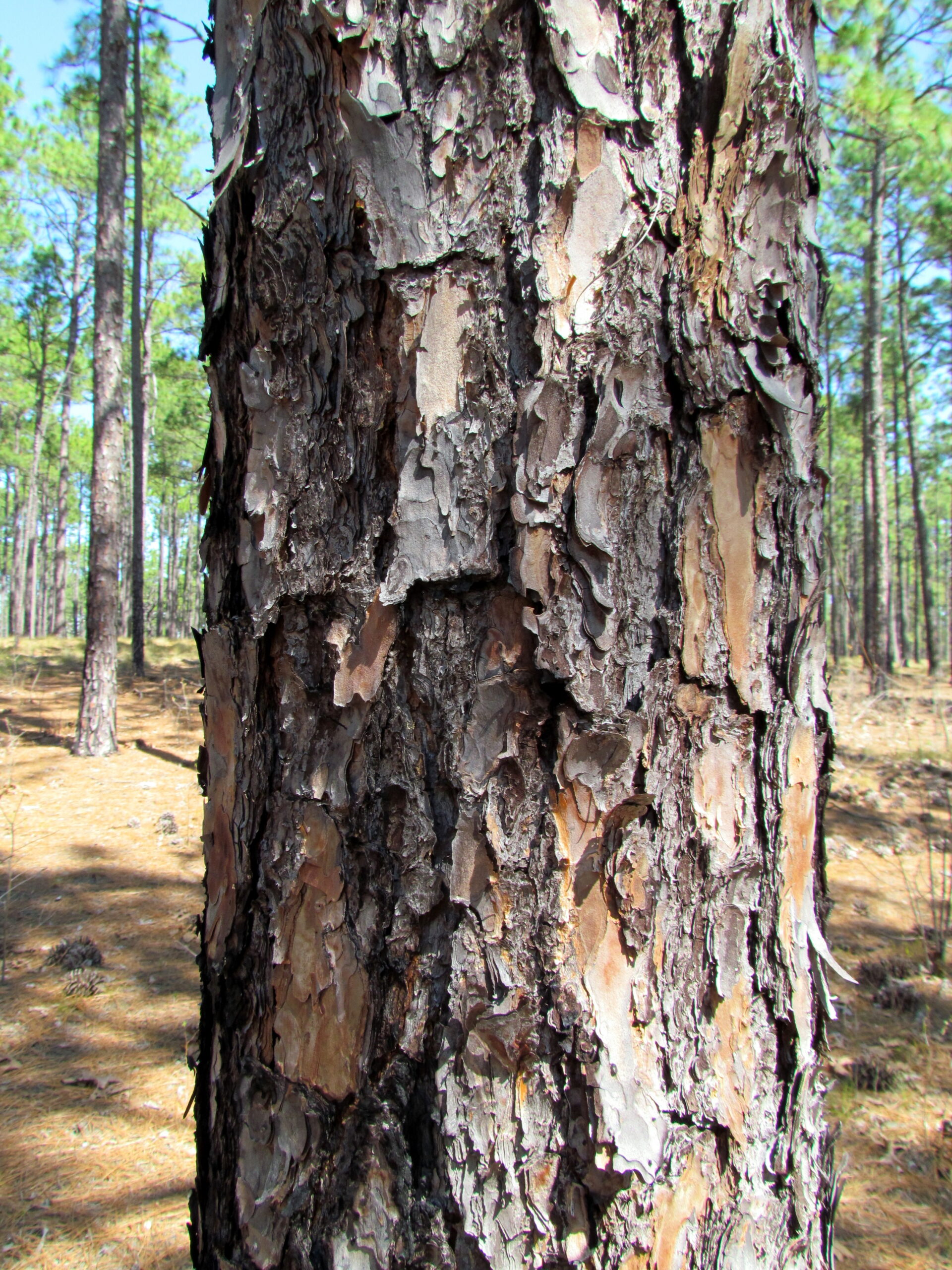
Camden’s landscape tells a story as old as the town itself. From the winding Wateree River to the pine, oak, and cypress forests that frame the region, every tree and flowering vine has shaped life here.
Indigenous plants like dogwood, magnolia, holly, yellow jessamine, American wisteria, jasmine, live oak, and bald cypress paint the seasons with color and fragrance. Even the mud beneath Camden’s streets helped build the town’s historic brick homes.
Natural Details Along the Walk
On Camden Walks, nature and human history intertwine. These cards highlight plants, trees, and landscape details that help shape the town’s sense of place.
Native Tree
Longleaf Pine
Marshes • Pine Tree Hill • Biodiversity
Native Tree
Southern Magnolia
Grandiflora • Broad Street Park • Fragrant
Flowering Plant
Dogwood
Pink-White • Spring • Iconic
Native Shrub
Holly
Spiny • Perennial • Berries
Flowering Vine
Yellow Jessamine
Golden • State Flower • Climbing
Flowering Vine
American Wisteria
Clusters • Lyttleton Street • Amethyst Falls
Flowering Vine
Jasmine
Fragrant • Walnut Street • Stars
Native Tree
Red Cedar
Juniper • Courthouse • Lafayette
Native Tree
Live Oak
Stately • Nature as Teacher • Shade
Native Tree
Bald Cypress
Wetland • Goodale State Park • Knees
→
Walk the Streets, Read the Layers
Camden Walks brings architecture, ecology, local memory, and historical eras into one walking experience. The town’s story appears in houses, churches, pine trees, brick walls, river routes, old hotels, quiet corners, and the people who continue building Camden today.
Camden Walks. Where Camden comes together.